MATHARI

Crispy Mathari Recipe | Flaky Homemade Mathari for Tea time & Diwali snacks

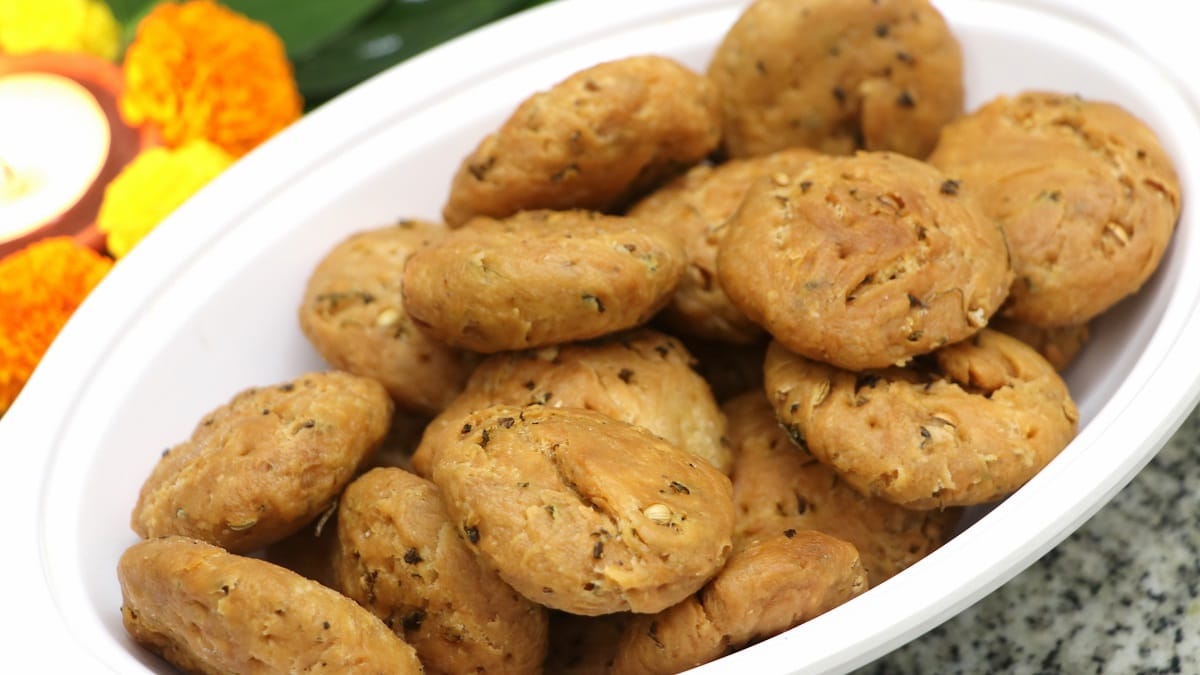
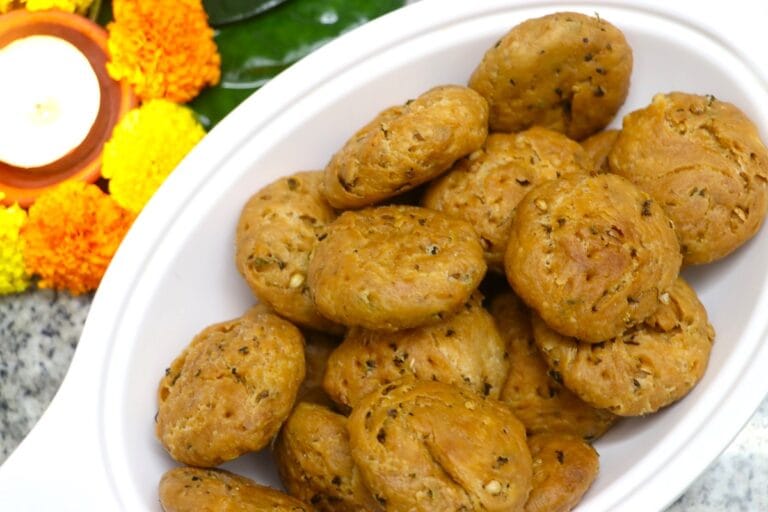
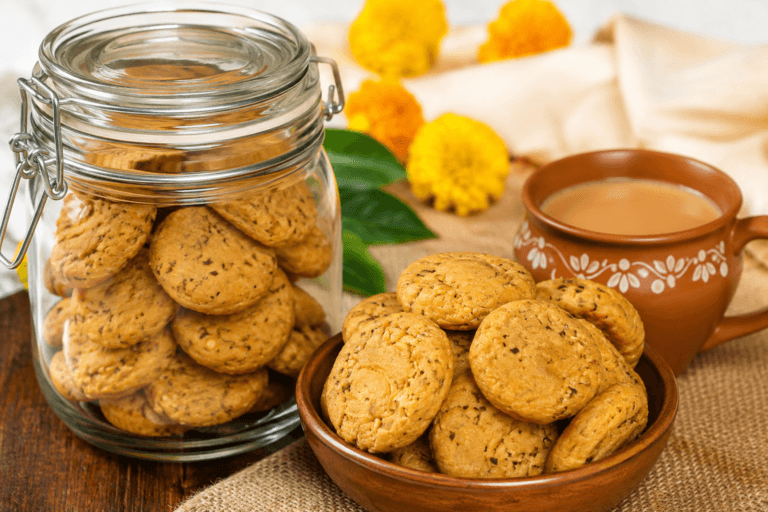
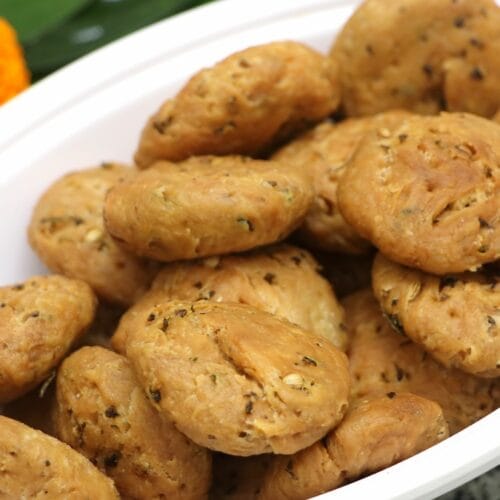
Mathari, also known as Mathri, is one of those classic Indian snacks that is hard to resist. Whether it is tea time, a festive celebration, or Diwali, a plate of homemade crispy Mathari is always welcome.

Hello everyone, Jai Shree Krishna!

Today I’m sharing a very easy recipe for making extra-crispy, flaky and flavorful Mathari at home. The secret to perfectly crispy Mathari is getting the moyan, or fat-to-flour ratio, right and frying the Mathari slowly over medium heat.

This Mathari is flavored with cumin, carom seeds, fennel, coriander, Kasuri methi, and freshly crushed black pepper. Every bite is wonderfully savory, aromatic, and crunchy.

The best part is that you don’t need any complicated ingredients or techniques. Most of the ingredients are already available in your kitchen. Once prepared, these Matharis can be stored in an airtight container and enjoyed for weeks.

Serve them with a hot cup of chai, enjoy them as an evening snack, or make a batch for Diwali and other festive occasions.

Why You'll Love This Mathari Recipe

  • Super crispy and flaky
  • Easy to make at home
  • Made with simple pantry ingredients
  • Perfect with tea or coffee
  • Excellent festive snack
  • Can be prepared in advance
  • Stays fresh for a long time when stored properly
  • Full of aromatic Indian spices and herbs

Video

Ingredients

  • 2 cups all-purpose flour, sifted
  • ⅓ cup ghee, approximately 75 g
  • 1 teaspoon cumin seeds
  • 1 teaspoon carom seeds
  • 1 teaspoon fennel seeds
  • 1 tablespoon coriander seeds, lightly crushed
  • 3 tablespoons dried fenugreek leaves (Kasuri methi)
  • ½ teaspoon freshly crushed black pepper
  • ½ teaspoon salt, or to taste
  • ¼ teaspoon baking soda
  • ¼ teaspoon baking powder
  • Water, as needed
  • Oil, for deep frying

Method

Step 1: Prepare the Flour Mixture

  1. Firstly, take 2 cups of sifted all-purpose flour in a large mixing bowl.
  2. Then add 1 teaspoon cumin seeds,  1 tablespoon lightly crushed coriander seeds, 1 teaspoon fennel seeds, 1 teaspoon carom seeds, ½ teaspoon freshly crushed black pepper, 3 tablespoons Kasuri methi, ½ teaspoon salt, ¼ teaspoon baking soda, ¼ teaspoon baking powder.
  3. Mix all the dry ingredients thoroughly so that the spices and herbs are evenly distributed throughout the flour.

Step 2: Add the Ghee

  1. Now add ⅓ cup, approximately 75 g, of ghee to the flour mixture.
  2. This step is very important because the ghee acts as the moyan, which helps give Mathari its characteristic flaky and crispy texture.
  3. Using both hands, rub and mix the ghee thoroughly into the flour.
  4. Keep mixing until the flour feels evenly coated with ghee.
  5. Take a small portion of the flour mixture in your palm and press it firmly.

  6. If the mixture holds its shape when pressed, the moyan is ready. This is one of the most important steps for making crisp and flaky Mathari, so don’t rush it.

Step 3: Knead the Dough

  1. Gradually add water, a little at a time, and start bringing the mixture together.
  2. Knead it into a semi-soft, slightly firm dough.
  3. Do not add too much water. Mathari dough should not be as soft as roti or paratha dough.
  4. The dough should be firm enough to roll and shape easily.

Step 4: Rest the Dough

  1. Cover the dough and let it rest for approximately 20 minutes.
  2. Resting allows the flour to hydrate and makes the dough easier to handle.
  3. After 20 minutes, knead the dough again for a few minutes until smooth.

Step 5: Divide the Dough

  1. Place the dough on your work surface.
  2. Roll it gently into a thick log.
  3. Using a knife, cut the log into small, equal-sized portions.
  4. Alternatively, you can simply pinch off small portions of dough and roll each one into a ball.

Step 6: Shape the Mathari

  1. Take one portion of dough and roll it between your palms to make a smooth ball.
  2. Gently flatten it between your palms.
  3. You don’t want to make it extremely thin. Mathari should have some thickness so that it develops a flaky, crispy texture while frying.
  4. Repeat the process with the remaining dough portions.

Step 7: Prick the Mathari

  1. Before frying, prick each Mathari several times with a fork.
  2. This is an important step because it prevents the Mathari from puffing up during frying.
  3. The small holes allow steam to escape and help the Mathari remain flat and crispy.

Step 8: Heat the Oil

  1. Pour enough oil into a deep kadai for frying.
  2. Heat the oil over medium-low to medium heat.
  3. The oil should be hot enough to create gentle bubbles around the Mathari when it is added.
  4. If the oil is too hot, the Mathari will brown quickly on the outside while remaining undercooked inside.

  5. If the oil is not hot enough, the Mathari may absorb too much oil and become greasy instead of crispy.

  6. The ideal temperature is moderate and steady.

Step 9: Fry the Mathari

  1. Carefully place the prepared Matharis into the hot oil.
  2. Avoid overcrowding the kadai.
  3. Let them fry over medium heat, allowing them to cook slowly and evenly.
  4. When the Matharis begin to puff slightly and the bottom side turns light golden, gently turn them over.
  5. Continue frying until they become evenly golden brown and crispy on all sides.
  6. Slow frying is the key to achieving that delicious crunchy texture.

Step 10: Drain and Cool

  1. Once the Matharis are beautifully golden brown, remove them from the oil using a slotted spoon.
  2. Place them on a plate lined with kitchen paper to remove excess oil.
  3. Allow them to cool completely at room temperature.
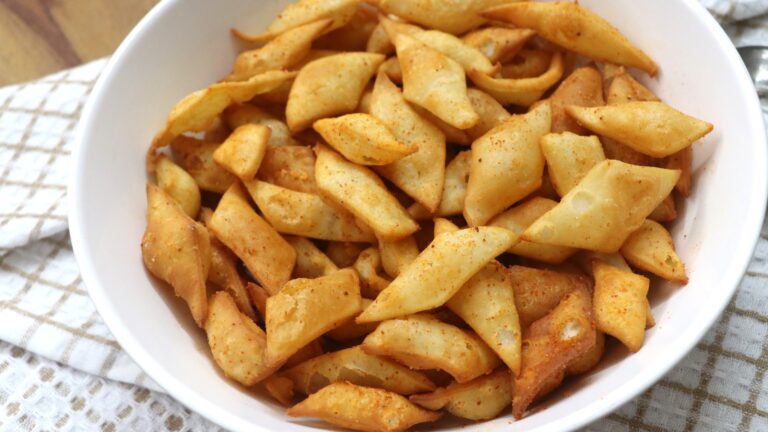
  4. Once cooled, they will become even crispier… and that’s it! our homemade crispy, flaky Mathari is ready to enjoy. Break one open and you’ll see the beautiful flaky layers inside.
  5. Serve it with a hot cup of chai and enjoy!

Serving Suggestions

Mathari tastes delicious with: Masala chai, Ginger tea, Coffee, Pickle, Green chutney, Sweet and spicy chutneys, Yogurt-based dips…It is also a wonderful snack to prepare for Diwali, Holi, family gatherings, festivals, and guests.

Storage Instructions – 

Allow the Mathari to cool completely before storing.

Transfer them to a clean, dry, airtight container and keep them at room temperature in a cool, dry place.

Properly fried and completely cooled Mathari can stay good for up to 2 months, provided they are stored correctly and remain free from moisture.

Always use a clean, dry spoon or hand when taking Mathari from the container.

If you notice any change in smell, texture, or appearance, discard them.

Recipe card

MATHARI

Crispy Mathari Recipe | Tea Time Snack

Crispy andflaky homemade Mathari made with all-purpose flour, ghee, cumin, carom seeds,fennel, coriander, Kasuri methi, and black pepper. This classic Indian snack isperfect with tea and ideal for festivals like Diwali.
Prep Time 30 minutes
Cook Time 25 minutes
Resting Time 20 minutes
Course Snack
Cuisine Indian
Servings 25 Matharis

Ingredients
  

  • 2 cup All purpose flour
  • 1/3 cup Ghee
  • 1 tsp Cumin seeds
  • 1 tsp Carom seeds
  • 1 tsp Fennel seeds
  • 1 tbsp Coriander seeds ( lightly crushed)
  • 3 tbsp Dried fenugreek leaves
  • 1/2 tsp freshlycrushed black pepper
  • 1/2 tsp Salt
  • 1/4 tsp Baking soda
  • 1/4 tsp Baking powder
  • Water as required
  • Oil for deep fry

Instructions
 

  • Firslty, add sifted all-purpose flour to a large mixing bowl.
  • Next add cumin seeds, crushed coriander seeds, fennel seeds, carom seeds, crushed black pepper, Kasuri methi, salt, baking soda, and baking powder.
  • Now mix all the dry ingredients thoroughly.
  • Then add ⅓cup ghee and rub it thoroughly into the flour until every part of the flour iscoated..
  • Test the moyan by pressing a handful of the mixture in your palm. It should hold its shape.
  • Gradually add water and knead into a firm, semi-soft dough. Do not make the dough too soft.
  • Cover and rest the dough for 20 minutes.
  • After 20 minutes, knead the dough again for a few minutes.
  • Roll the dough into a thick log and cut it into small, equal-sized portions.
  • Roll each portion into a ball and gently flatten it. Prick each Mathari several times with a fork.
  • Heat oil in adeep kadai over medium-low to medium heat.
  • Now  carefully add the Matharis to the moderately hot oil. Fry slowly over medium heat, turning occasionally, until golden brown and crisp on all sides.
  • Remove with aslotted spoon and drain on kitchen paper. Allow the Matharis to cool completely before storing them in an airtight container.
  • Store completely cooled Mathari in an airtight container at room temperature in acool, dry place for up to 2 months..


Video

Notes

  • The correct moyan is essential for crispy, flaky Mathari.
  • Do not add too much water while kneading.
  • Fry over moderate heat rather than high heat.
  • Make sure the Matharis are completely cool before storing.
  • Ghee can be replaced with oil or vanaspati if desired.
Keyword Crispy Mathari, Diwali Snacks, Homemade Mathari, Indian Snacks, Mathari Recipe, Mathri Recipe

Tips

  1. Don’t skip the moyan –   The ghee is one of the most important ingredients for crispy and flaky Mathari. Make sure the flour is thoroughly coated with ghee before adding water.
  1. Test the moyan – Press a handful of the flour mixture in your palm. If it holds its shape, you have added enough ghee.
  1. Don’t make the dough too soft – A soft dough can result in Mathari that is less crispy. Add water gradually and make a firm, semi-soft dough.
  1. Rest the dough – Allowing the dough to rest for around 20 minutes makes it easier to shape and roll.
  1. Prick with a fork – Don’t forget to prick the Mathari before frying. This prevents them from puffing up and helps them remain crisp.
  1. Fry slowly – The biggest secret to crispy Mathari is slow frying. Keep the heat moderate and allow the Mathari to cook thoroughly from the inside.
  1. Avoid very hot oil – Very hot oil will brown the outside too quickly while leaving the inside undercooked.
  1. Don’t overcrowd the kadai –Too many Matharis at once can lower the oil temperature and result in uneven frying.
  1. Cool completely before storing – Never put warm Mathari into an airtight container. Trapped steam can make them soft.
  1. Adjust the spices – You can increase or decrease the black pepper, Kasuri methi, fennel, or other spices according to your taste.

Variations

  • Masala Mathari – Add a little red chili powder and amchur powder to the dough for a tangy and spicy version.
  • Ajwain Mathari – Increase the carom seeds for a stronger ajwain flavor.
  • Methi Mathari – Add extra Kasuri methi for a more pronounced fenugreek flavor.
  • Pepper Mathari – Increase the freshly crushed black pepper for a deliciously peppery snack.


FAQs

Why is my Mathari not crispy?

The most common reasons are insufficient moyan, adding too much water to the dough, or frying at the wrong temperature. Make sure the flour is well coated with ghee and fry the Mathari slowly over moderate heat.

Why did my Mathari become soft after cooling?

This can happen if the Mathari was not fried thoroughly or if it was stored before cooling completely. Allow the Mathari to cool completely before transferring it to an airtight container.

Why do we prick Mathari with a fork?

Pricking the Mathari prevents it from puffing up while frying. It allows steam to escape and helps maintain a flat, crispy texture.

Can I use oil instead of ghee?

Yes. You can use oil or vanaspati instead of ghee. However, ghee gives traditional Mathari a richer flavor and flaky texture.

Can I make Mathari without baking soda and baking powder?

Yes. They can be omitted, although the texture may be slightly different. The traditional crispness mainly comes from the moyan and proper frying technique.

Why did my Mathari turn brown too quickly?

Your oil was probably too hot. Reduce the heat and allow the Mathari to fry slowly. This ensures that the inside cooks properly before the outside becomes too dark.

Can I make Mathari ahead of time?

Yes. Mathari is an excellent make-ahead snack. Once completely cooled, store it in an airtight container and enjoy it over the following weeks.

How long can homemade Mathari be stored?

When properly fried, completely cooled, and stored in an airtight container away from moisture, Mathari can generally be stored for up to 2 months.

Can I use whole-wheat flour instead of all-purpose flour?

Yes, you can experiment with whole-wheat flour, but the texture will be different. All-purpose flour gives the classic light and flaky Mathari texture.

Leave a Comment

Comments

No comments yet. Why don’t you start the discussion?

    Leave a Reply

    Your email address will not be published. Required fields are marked *

    Recipe Rating