
Table of Contents
ToggleEkadashi Fast: Benefits for Body, Mind & Soul
Jai Shree Radhey Jai Shree Krishna..
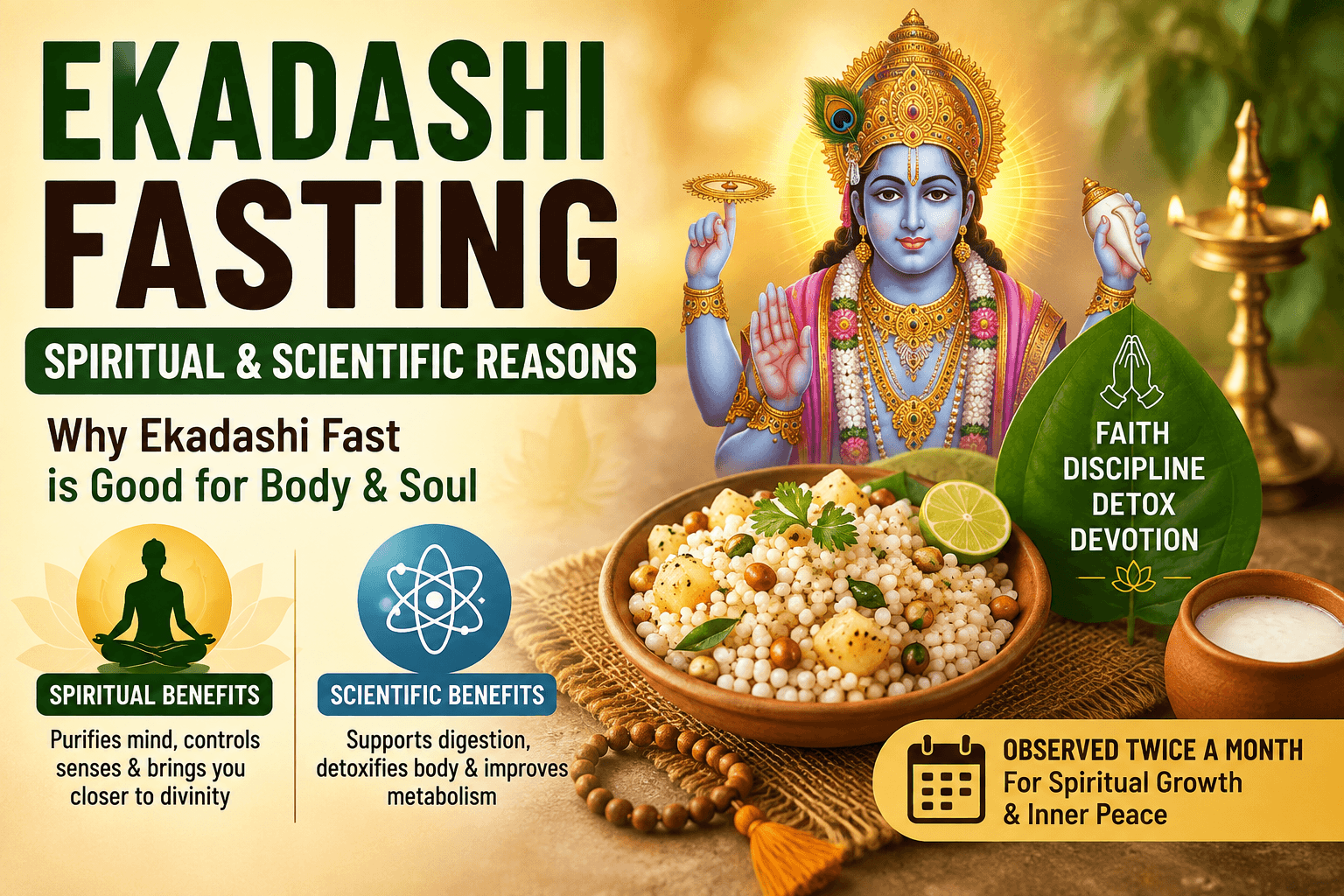
Ekadashi fasting is one of the most important fasting traditions in Hinduism. It is observed on the 11th day of both the waxing and waning phases of the moon. Devotees believe that observing Ekadashi helps purify the mind, control desires, and strengthen spiritual awareness
Spiritual Significance of Ekadashi

The main purpose of Ekadashi fasting is not simply to avoid food. It is a practice of self discipline and devotion. During Ekadashi, many people spend more time in prayer, meditation, reading spiritual texts, and chanting.
Fasting is also believed to help reduce distractions and encourage a peaceful state of mind. By controlling food and other desires, devotees try to develop better control over the senses and focus more deeply on spirituality.
Scientific Perspective on Fasting
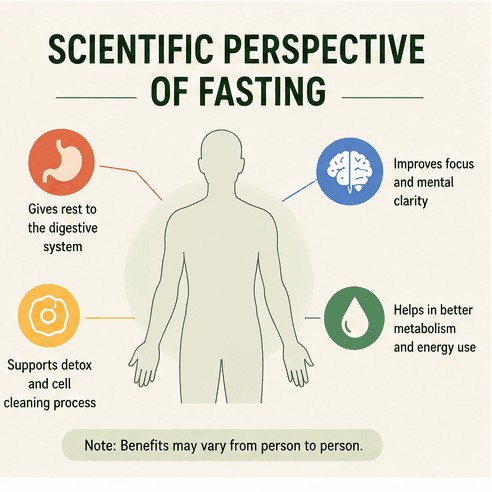
From a scientific point of view, fasting gives the digestive system a temporary break from regular food intake. Depending on the type and duration of fasting, the body may begin using stored energy, and changes can occur in blood sugar and metabolism.
Fasting may also encourage mindful eating and self control. However, the health effects can vary from person to person, and there is no strong scientific evidence that proves the spiritual claims of Ekadashi itself.
Why Do People Observe Ekadashi?
Ekadashi combines faith, discipline, mindfulness, and devotion. For believers, it is a regular opportunity to slow down, control the senses, and connect with their spiritual side.
Whether followed for religious reasons or as a mindful practice, Ekadashi reminds us of the importance of balance and self discipline in daily life.
During Ekadashi, many devotees avoid regular grains, rice, wheat, beans, and certain other foods. Fasting rules can vary by family and tradition, so it is always good to follow the practice you believe in.
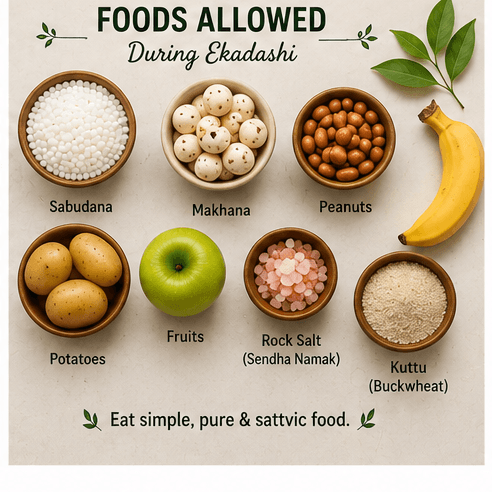
Here are some simple Ekadashi fasting food ideas:
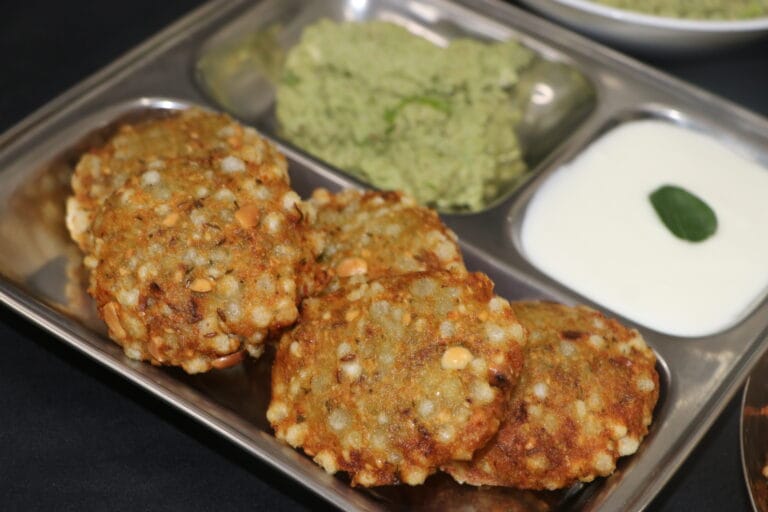
1. Sabudana Khichdi
A popular fasting recipe made with sabudana, peanuts, potatoes, cumin, and mild spices. It is simple, filling, and easy to prepare.
2. Sama Rice Khichdi
Sama rice, also known as barnyard millet, can be used to make a light and nutritious khichdi with potatoes and simple fasting-friendly ingredients.
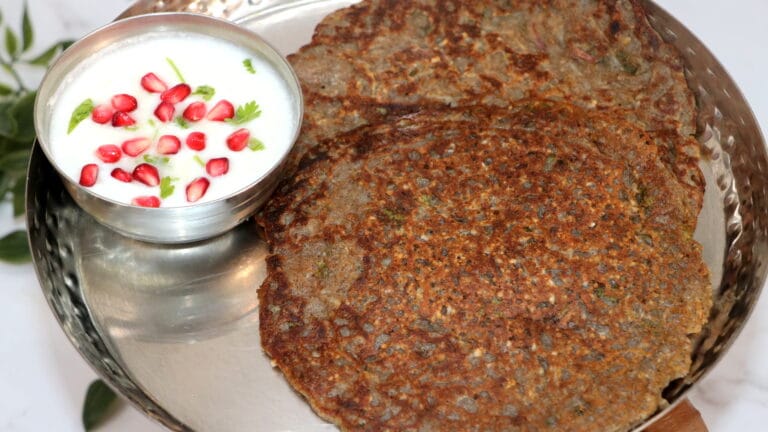
3. Kuttu Roti
Kuttu (buckwheat) flour is commonly used during fasting. You can make a simple roti and enjoy it with curd or a fasting-friendly vegetable.
4. Fruit & Yogurt Bowl
For a lighter option, combine fresh fruits with plain yogurt and a few nuts. It is refreshing and requires almost no cooking.
5. Makhana Snack
Roasted makhana with a little ghee and fasting-friendly seasoning makes an easy evening snack.
Tip: Instead of eating very heavy fried fasting foods, choose simple portions, stay hydrated when your fasting rules allow it, and listen to your body.
More Vrat recipes – Vrat Recipe

Conclusion: Ekadashi fasting is more than simply skipping meals. It is a traditional practice that brings together spiritual discipline and mindful living. Its spiritual benefits come from faith and practice, while fasting itself has been studied for various effects on metabolism and overall health.
Hari bol