Table of Contents
ToggleMathura Peda – A Timeless Sweet from the Birthplace of Lord Krishna
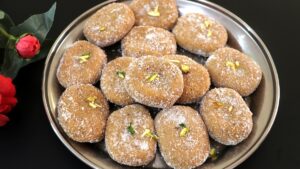
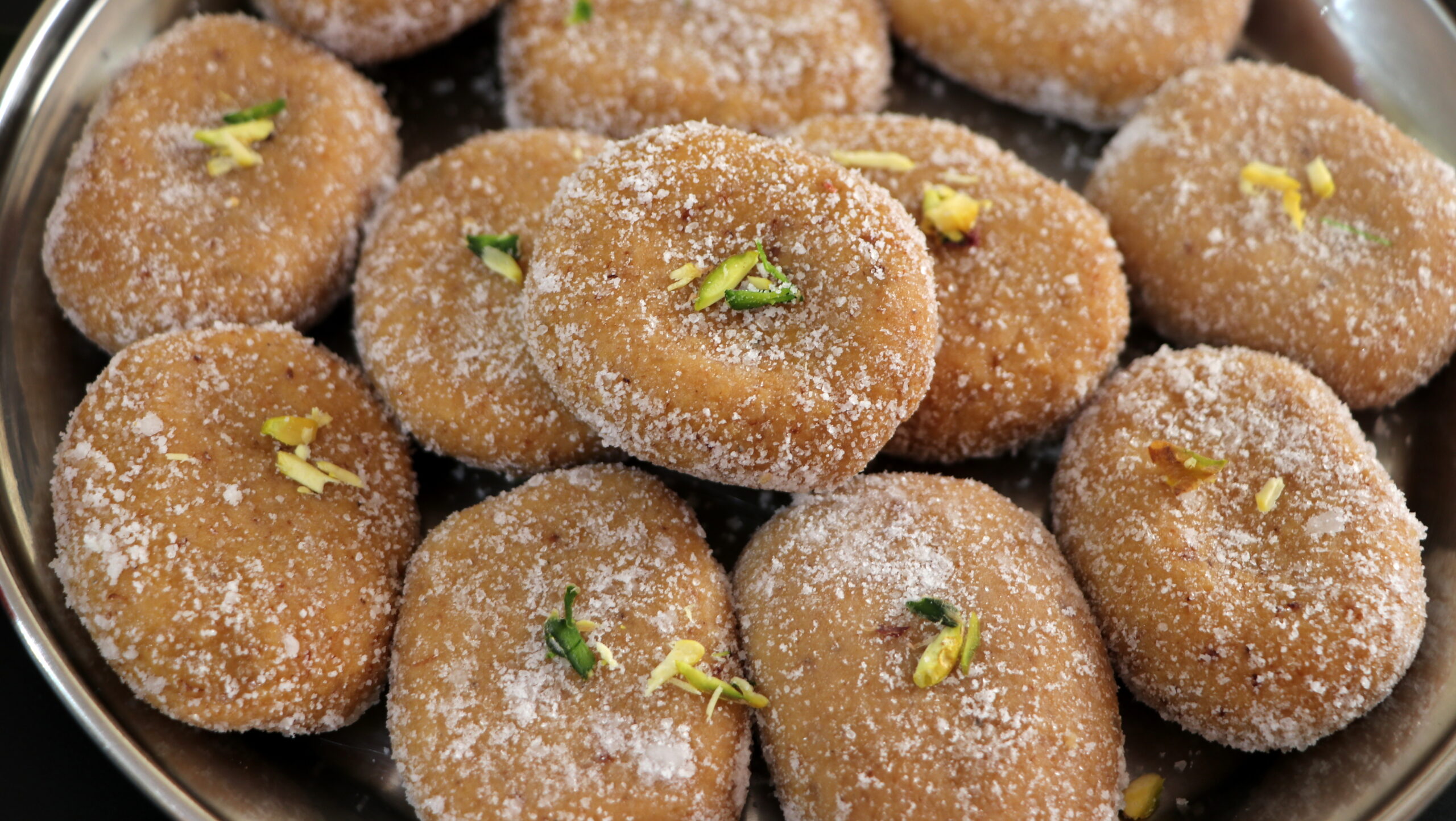
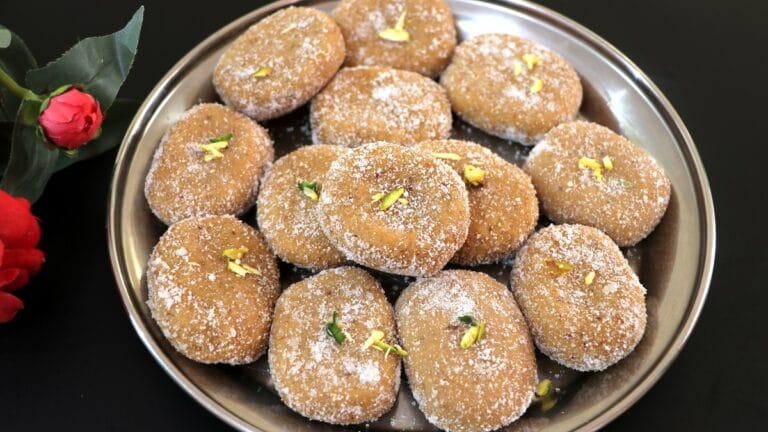
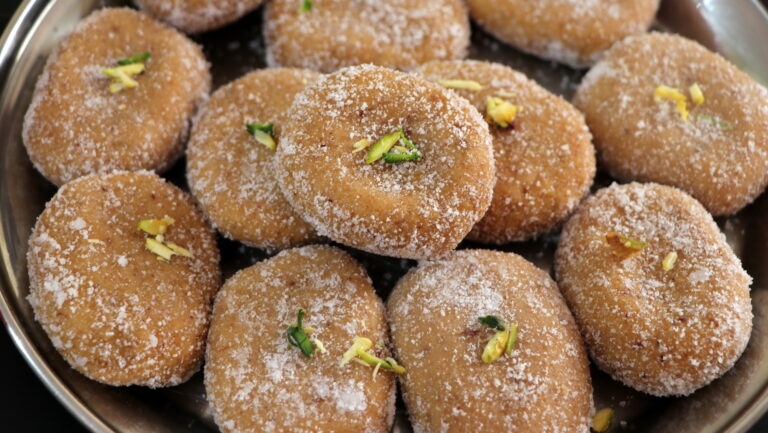
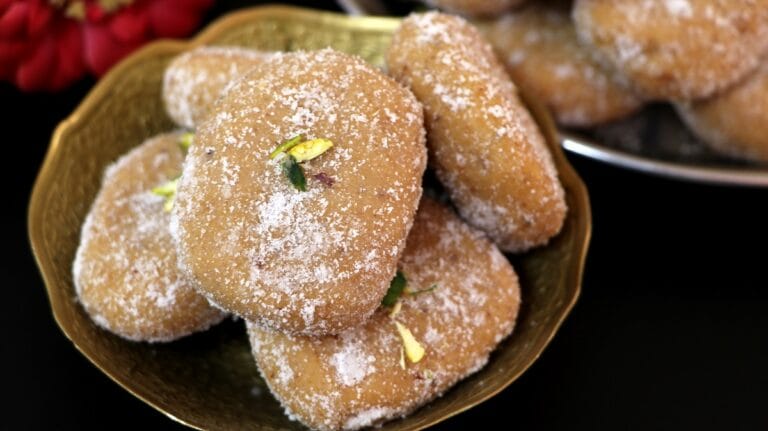
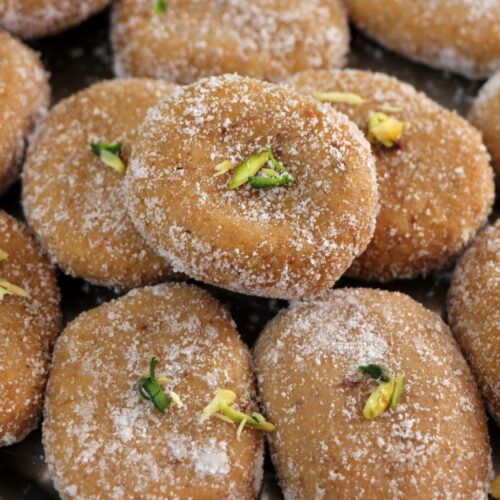
There are some sweets that are more than just desserts—they are a part of India’s rich heritage. Mathura Peda is one such iconic delicacy that has been loved for generations. Originating from the sacred city of Mathura, the birthplace of Lord Krishna, these delicious pedas are famous for their deep caramelized flavor, grainy texture, and irresistible melt-in-the-mouth taste.
Unlike quick peda recipes made with condensed milk or milk powder, authentic Mathura Peda is prepared the traditional way by slowly reducing fresh full-fat milk into homemade khoya (mawa), roasting it patiently until beautifully golden brown, and mixing it with homemade Tagar (Boora Sugar). This traditional technique gives the peda its signature texture and rich flavor that no shortcut recipe can truly match.
What is Tagar (Boora Sugar)?
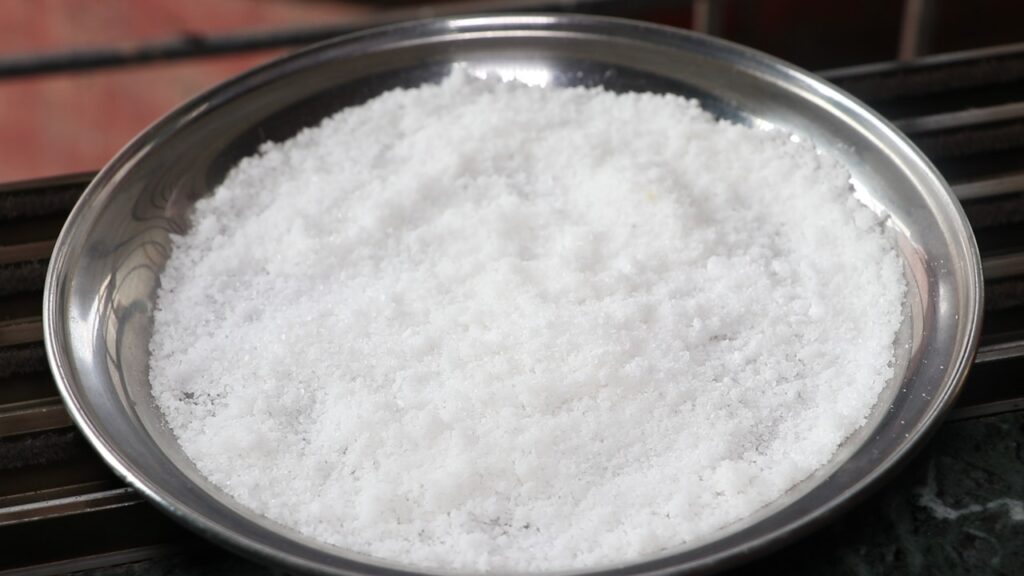
Tagar, also known as Boora Sugar, is a fine powdered sugar commonly used in traditional Indian sweets. Unlike regular powdered sugar, tagar has a slightly grainy texture that blends beautifully with khoya, giving Mathura Peda its characteristic melt-in-the-mouth consistency.
Although ready-made tagar is easily available in Indian grocery stores, making it at home is simple and ensures the freshest flavor.
Whether you’re making sweets for Janmashtami, Diwali, Raksha Bandhan, Holi, Bhai Dooj, or simply craving an authentic Indian mithai, this homemade Mathura Peda recipe is guaranteed to become a family favorite.

Video
Why You'll Love This Recipe
- Traditional halwai-style recipe.
- Made with only a few basic ingredients.
- No condensed milk or milk powder.
- Homemade khoya for authentic flavor.
- Soft, grainy, and melt-in-the-mouth texture.
- Perfect for festivals and gifting.
- Stays fresh for several weeks when stored properly.
Video
Ingredients
For the Tagar (Boora Sugar)
- 250 g (1¼ cups) sugar
- 100 ml (½ cup) water
- 1 teaspoon ghee
For the Homemade Khoya
- 2 liters full-fat milk
For the Peda
- Homemade khoya (prepared from 2 liters of milk)
- Homemade tagar (as required, according to taste)
- ¼ teaspoon cardamom powder
Video
Method
Step 1: Prepare the Sugar Syrup
- In a heavy-bottomed pan, combine the sugar and water.
- Cook over medium heat until the sugar dissolves completely.
- Continue boiling until the syrup reaches a thick consistency. To check, place a drop of syrup on a plate—it should hold its shape instead of spreading immediately.
- At this stage, add 1 teaspoon of ghee and mix well.
- Remove the pan from the heat and continue stirring continuously.
- As the syrup cools, it will gradually turn from transparent to cloudy white. It will become thicker, drier, and harder to stir.
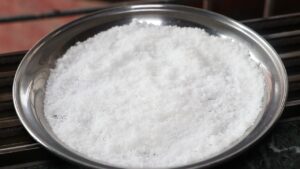
- Keep mixing until the syrup transforms into a dry, white, powdery texture.
- If you notice a few larger sugar crystals, simply pass the tagar through a fine sieve.
- Our homemade tagar is now ready.

Step 2: Prepare Homemade Khoya
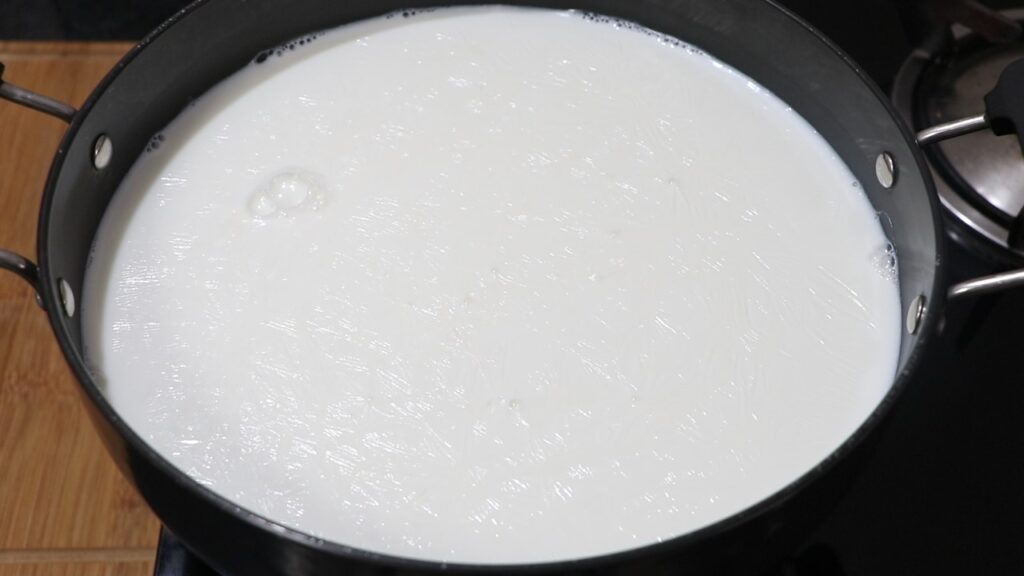
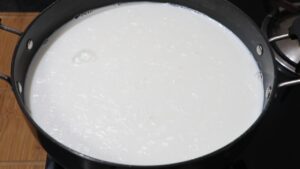
- Pour the full-fat milk into a wide heavy-bottomed kadai.
- Cook over medium heat, stirring occasionally to prevent the milk from sticking to the bottom.
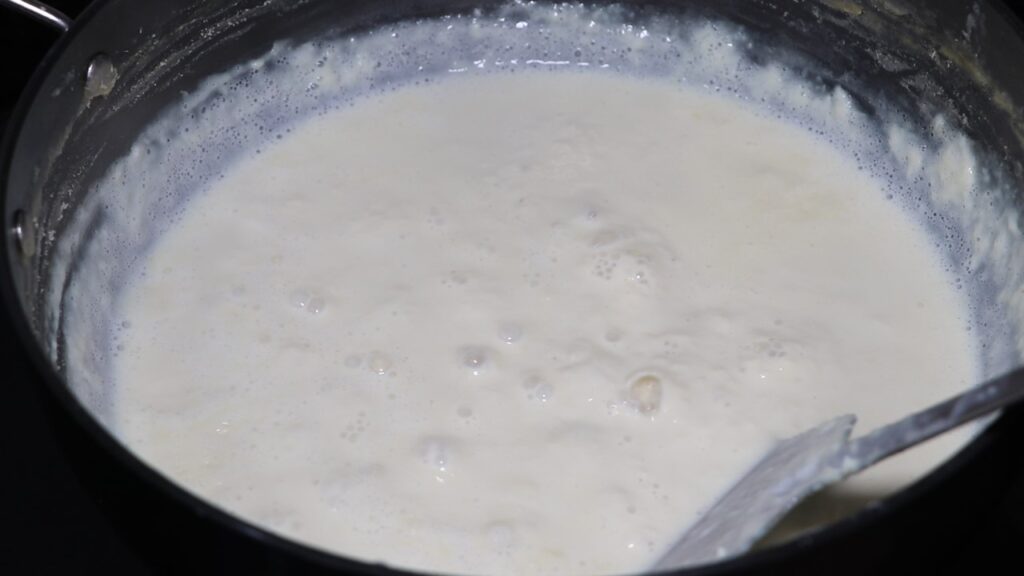
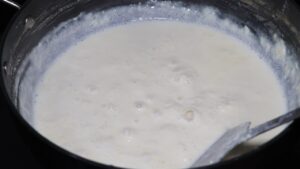
- As the milk reduces, stir more frequently.
- Continue cooking until it thickens into a rich rabri-like consistency.
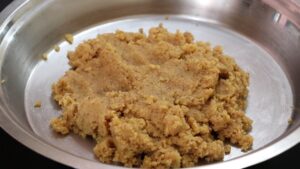
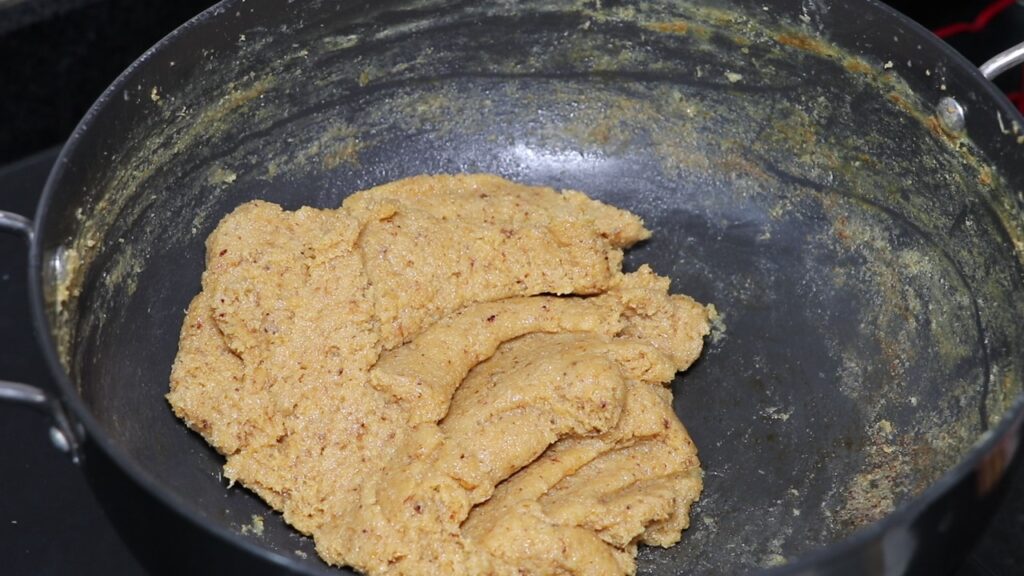
- Keep roasting the thickened milk until all the moisture evaporates and it turns into khoya.
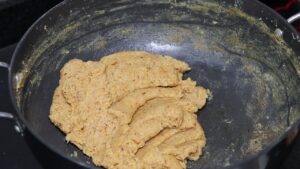
- Now continue roasting the khoya until it develops a beautiful golden-brown color.
- This slow roasting is what gives authentic Mathura Peda its signature caramelized flavor and longer shelf life.
- From 2 liters of milk, you should get approximately 350–360 grams of khoya.
- Transfer the roasted khoya to a large plate and allow it to cool slightly. It should remain warm but not piping hot.


Step 3: Prepare the Peda Mixture
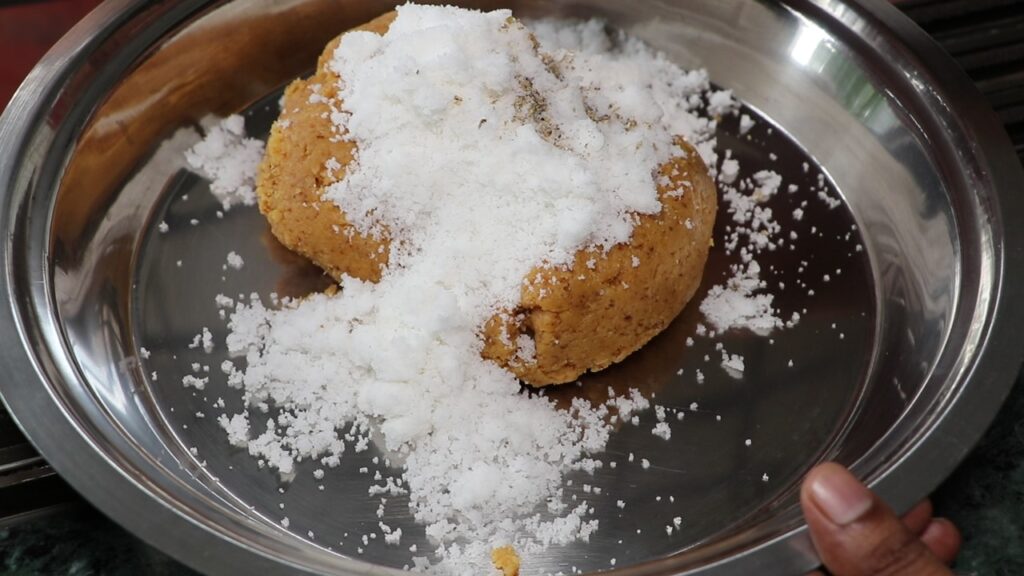
- While the khoya is still warm, add the homemade tagar according to your preferred sweetness.
- Mix in the cardamom powder.
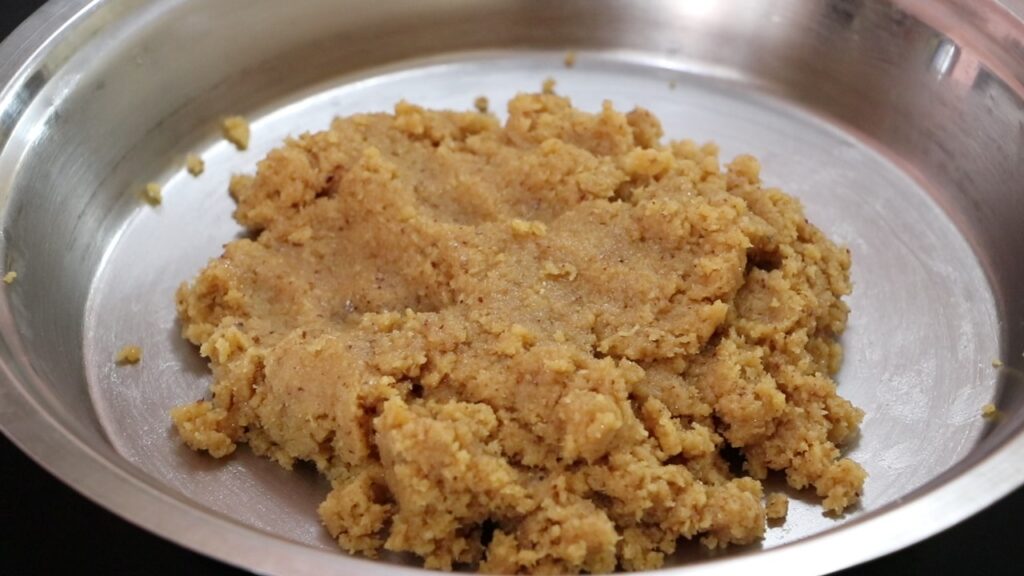
- Using clean hands, gently knead the warm khoya and tagar together until everything is evenly combined.
- The warmth of the khoya helps the tagar dissolve slightly while maintaining its characteristic grainy texture.


Step 4: Shape the Pedas
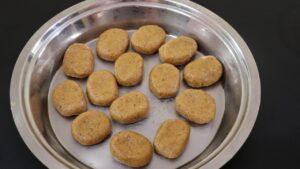
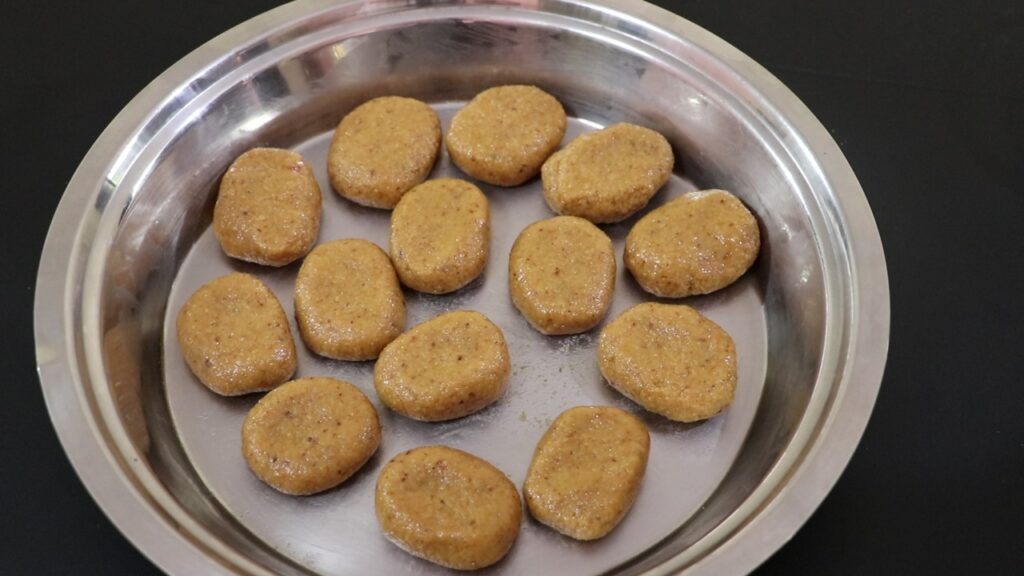
- Take small portions of the mixture and roll them into smooth balls.
- Gently flatten each ball to create the traditional Mathura Peda shape.
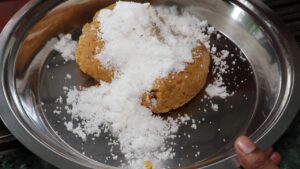
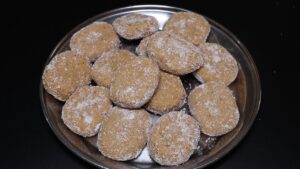
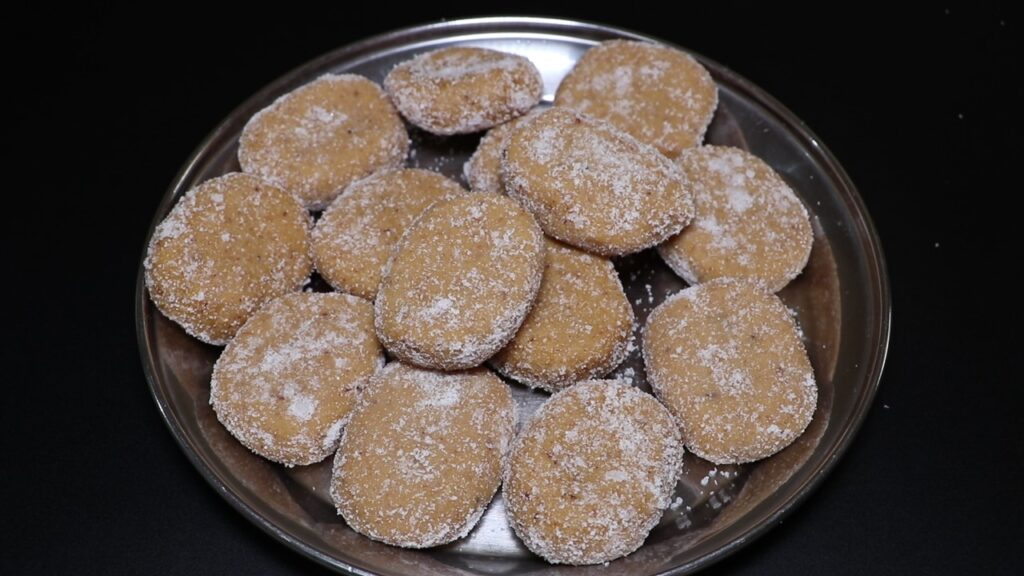
- Roll every peda in the remaining tagar to coat it evenly.
- This coating not only enhances the appearance but also acts as a natural preservative, helping the pedas stay fresh for longer.
- Allow the pedas to cool completely before storing.


Serving Suggestions
Mathura Peda is perfect for: Janmashtami celebrations, Diwali sweet platters, Raksha Bandhan, Bhai Dooj, Holi, Temple offerings (Prasad), Festive gifting, Tea-time desserts.. Serve them at room temperature for the best taste and texture.
Storage Tips –
- Store the pedas in an airtight container.
- They remain fresh at room temperature for 7–10 days during cool weather.
- Refrigerated, they stay fresh for up to 1 month.
- Bring them to room temperature before serving for the best flavor.
Authentic Mathura Peda is much more than just a sweet—it’s a timeless Indian delicacy deeply connected with tradition, festivals, and the rich culinary heritage of Mathura. Made from patiently slow-cooked milk, homemade tagar, and fragrant cardamom, every peda is rich, creamy, and packed with irresistible caramelized flavor. While the recipe requires a little patience, the final result is well worth the effort. Once you taste these homemade Mathura Pedas, you’ll understand why this legendary sweet has been loved for generations. Prepare them for your next festival or family celebration and enjoy the true taste of traditional Indian mithai.

Tips
- Always use full-fat milk for rich, creamy khoya.
- Roast the khoya patiently until it turns golden brown.
- Do not rush the process—the slow roasting develops the authentic flavor.
- Mix the tagar while the khoya is still warm.
- Coat the pedas with tagar only after shaping them.
- Avoid adding tagar to very hot khoya, as it may melt completely and lose its grainy texture.
Variations
- Saffron Mathura Peda – Add a few strands of saffron soaked in warm milk for a luxurious flavor.
- Pistachio Peda – Garnish each peda with chopped pistachios.
- Kesar Elaichi Peda –Add both saffron and cardamom for a festive version.
- Dry Fruit Peda – Mix finely chopped almonds and cashews into the khoya before shaping.
Frequently asked questions -
Can I use store-bought khoya?
Yes. If you're short on time, use good-quality store-bought khoya and roast it until golden brown before making the pedas.
Can I use powdered sugar instead of tagar?
Tagar is highly recommended because it gives the authentic grainy texture. Powdered sugar will change both the texture and traditional taste.
Why are my pedas sticky?
The khoya may still contain excess moisture. Roast it a little longer until it becomes thick and slightly dry
Can I freeze Mathura Peda?
Yes. Store them in an airtight container and freeze for up to 2 months. Thaw them in the refrigerator before serving.
Recipe card

Authentic Mathura Peda Recipe
Equipment
- Heavy Bottom Kadai
- Heavy Bottom Pan
- Spatula
- Plate / Thali
Ingredients
- 1 1/4 (250 g) cup Sugar
- 100 ml Water
- 1 tsp Ghee
- 2 ltr Full fat milk
- 1/4 tsp Cardamom powder
Instructions
- Pour 2 liters of full-fat milk into a heavy-bottom pan and bring it to a boil over medium heat, stirring occasionally to prevent sticking.

- Reduce the heat to low and continue cooking the milk, stirring frequently, until it thickens completely and turns into homemade khoya (mawa). This process takes about 2 to 2½ hours.

- Once the khoya is ready, continue roasting it on low heat until it turns light golden brown and develops a rich caramelized aroma.

- Turn off the heat and let the roasted khoya cool until it is warm but not hot.
- Meanwhile, prepare the tagar (boora sugar) by combining sugar and ghee in a mixer jar. Blend for a few seconds until the mixture becomes slightly grainy.

- Transfer the warm roasted khoya to a mixing bowl. Add cardamom powder and the prepared tagar according to your taste.
- Mix everything well until the mixture is evenly combined.

- Take small portions of the mixture and roll them into smooth balls.

- Gently flatten each ball between your palms to form traditional peda shapes.

- Coat each peda lightly with extra tagar for the authentic Mathura Peda texture and appearance.
- Allow the pedas to cool completely before storing them in an airtight container.

- Serve your Authentic Mathura Peda during Janmashtami, Diwali, Raksha Bandhan, or any festive occasion.
Video
Notes
- Roast the khoya slowly for the best caramelized flavor.
- Always add tagar when the khoya is warm, not hot.
- Use full-fat milk for rich and creamy pedas.
- Coat the pedas with tagar only after shaping them.
- Store in an airtight container for longer freshness.